






FAQs
-
The Neonatal Intensive Care Unit (NICU) is a specialized area in the hospital that cares for newborn babies who need extra support after birth.
Some babies arrive early. Some need help with breathing. Some have medical conditions that require close monitoring or treatment.
In the NICU, every detail is watched closely – heart rate, oxygen level levels, temperature, breathing, growth.
They can be overwhelming at first, but every piece of equipment and every person in that room is therefore one reason: to support your baby.
-
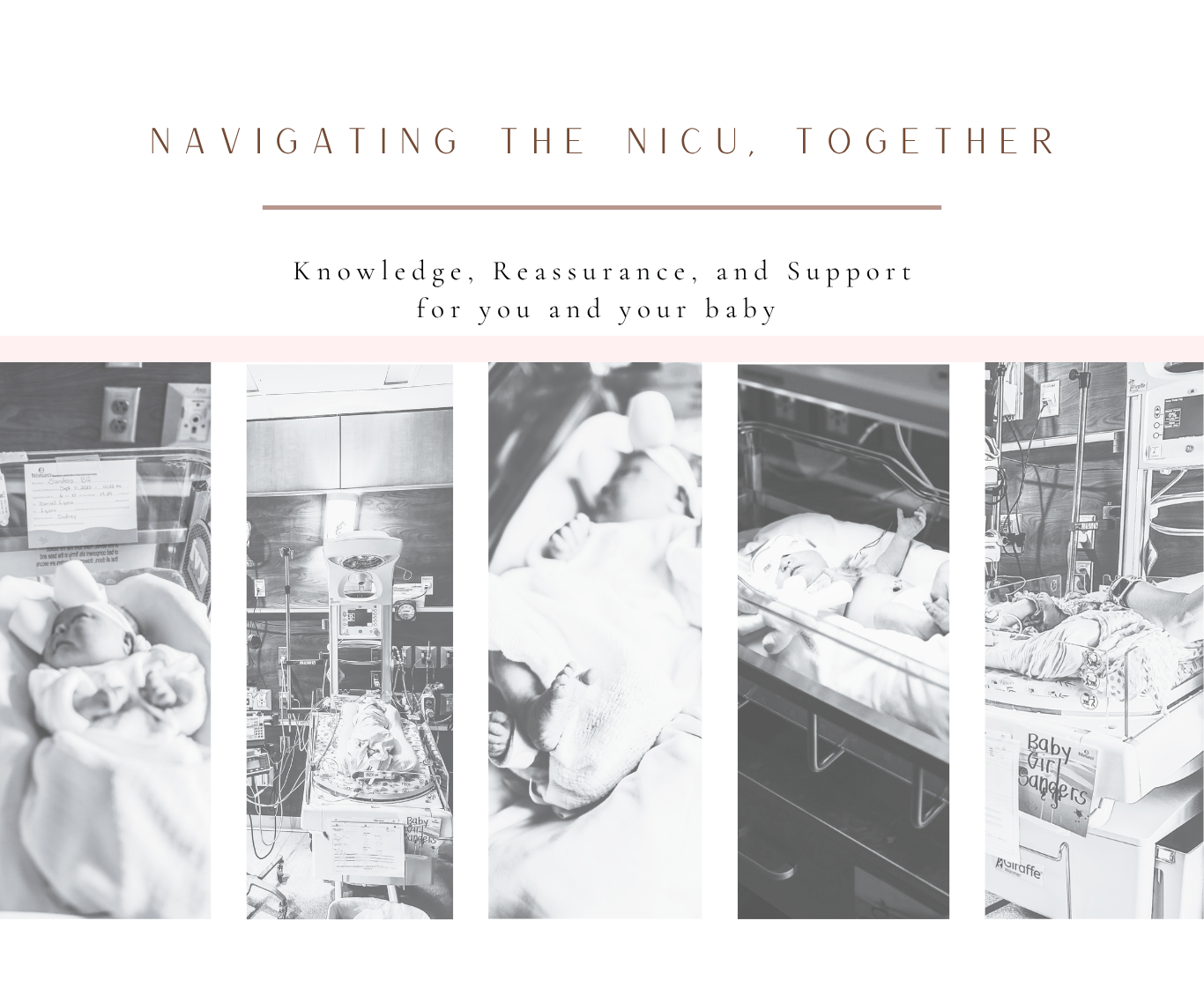
You may notice different types of beds in the NICU, and each one serves a specific purpose.
Incubator (Isolette)
An incubator is a small bed, enclosed in clear, hard plastic, designed to create a controlled environment for newborn babies who need extra support in regulating their temperature. The temperature inside the incubator is carefully regulated to help keep your baby’s body temperature stable.
Radiant Warmer
Infant warmers are small, open beds with built-in overhead heaters that help keep babies warm while they’re being closely monitored. Unlike incubators, infant warmers are open to the air, which allows easy access for doctors and nurses to provide immediate care and perform necessary procedures.
You may see babies transition between these beds as they grow stronger.
-
One of the most overwhelming parts of the NICU is seeing your baby connected to monitors and wires.
It can look like a lot – because it is.
But each one has a purpose
Monitors in the NICU allow nurses and doctors to closely track your baby’s vital signs — such as temperature, heart rate, respiratory rate, and blood pressure — from anywhere in the unit.
These monitors are connected to your baby through a variety of sensors, including:
• Chest leads – small stickers with wires that track heart rate and breathing
• Pulse oximeter – a soft sensor, usually placed on the foot or hand, that measures oxygen levels in the blood
• Temperature probe – a small sensor that continuously monitors body temperature
• Blood pressure cuff – a tiny cuff that gently inflates to measure blood pressure
These tools help the care team respond quickly and effectively to your baby’s needs.